Technical SEO in 2026 looks very different from what most website owners remember. While the core idea is still about helping search engines understand your site, the way this happens has evolved into something much more intelligent, more semantic, and far more connected to user experience.
Search engines are no longer just crawling pages and reading keywords. They’re interpreting meaning, evaluating how a page performs in real-world conditions, and using AI systems to understand content context.
That means some traditional SEO practices still matter a lot, some have evolved, and others are no longer useful at all.
This shift has changed how websites need to be built and maintained. It’s no longer just about making a site “search engine friendly”—it’s about making it understandable, fast, and structurally clear for both users and modern search systems.
What Technical SEO Really Means in 2026
Technical SEO is no longer just about making your website “accessible to search engines.”
In 2026, it’s about:
- Ensuring your site is easy to crawl and index
- Helping AI-driven systems understand your content
- Structuring your website in a way that reflects meaning and context
- Delivering fast, stable, and smooth user experiences
In simple terms:
Technical SEO in 2026 is about how clearly your website communicates with both users and search engines.
It sits at the intersection of website optimization, content structure, and AI understanding.
What’s STILL Relevant in Technical SEO (and More Important Than Ever)
1. Crawlability and Indexation Still Form the Base Layer
No matter how advanced search becomes, your content still needs to be discovered.
What still matters:
- Clean site architecture
- Logical internal linking structure
- XML sitemaps that stay updated
- Proper use of canonical tags and indexing rules
What’s changed is that search engines now prioritize crawling based on perceived value and relevance, not just structure.
Pages that demonstrate engagement and usefulness are crawled more frequently.
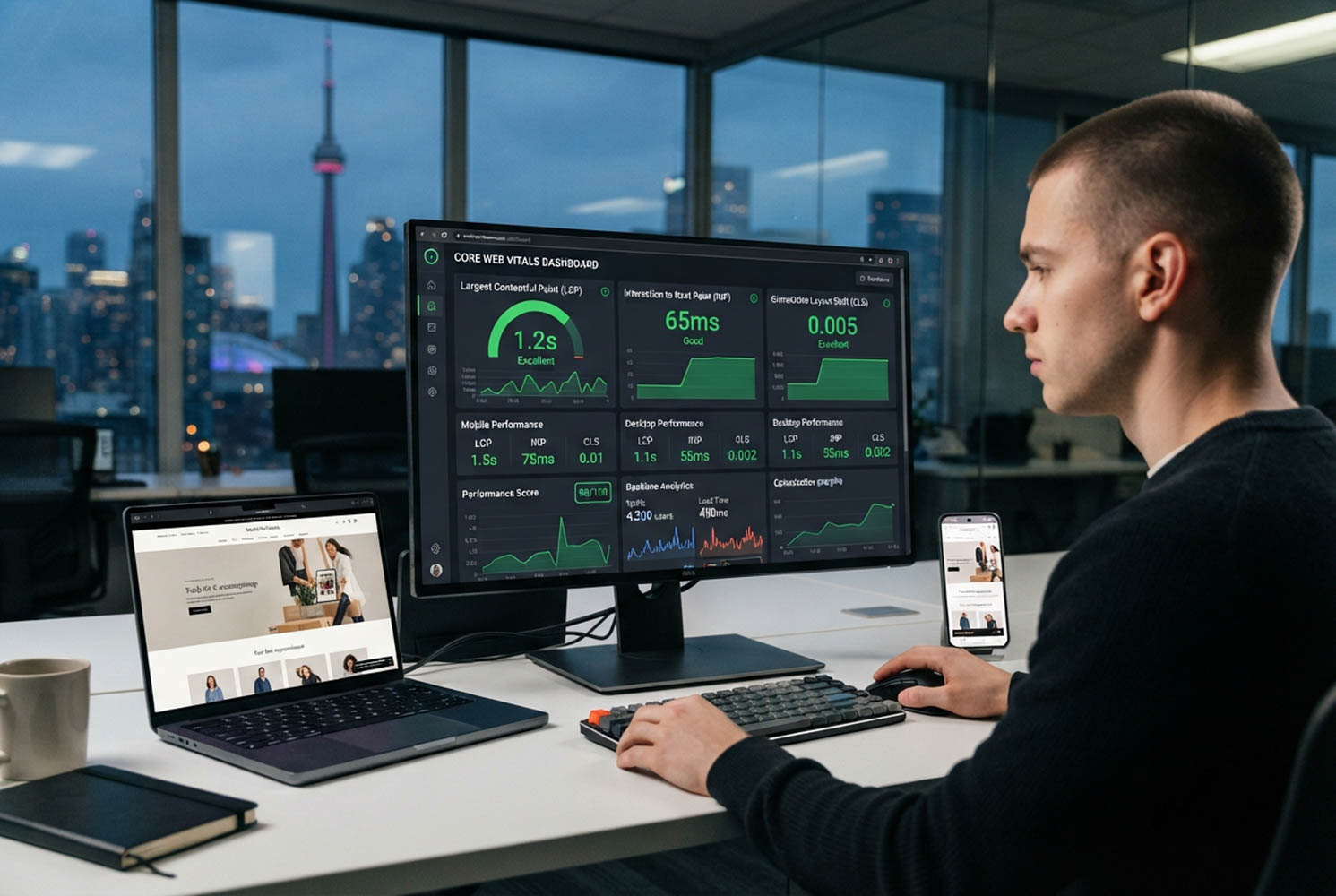
2. Core Web Vitals and Performance Still Matter (Just Smarter Now)
Site performance is still a major part of website optimization for search engines, but it has evolved.
Instead of simple load speed, modern performance evaluation looks at:
- Real-world interaction speed
- Visual stability during dynamic loading
- Performance across different devices and network conditions
A fast, stable website isn’t just good for users—it also influences how often your site gets crawled and how deeply it gets indexed.
3. Structured Data Has Become Essential
If there’s one area that has grown massively in importance, it’s structured data.
Search engines in 2026 rely heavily on structured data to:
- Understand entities (people, products, services, topics)
- Build relationships between content
- Power AI-generated search summaries
Think of structured data as the bridge between your website and modern AI search systems.
Without it, even great content can be misunderstood or underutilized.
4. JavaScript SEO Still Matters (But Is Less Fragile Than Before)
Modern search engines have improved at rendering JavaScript-heavy sites, but challenges still exist.
Key best practices remain:
- Server-side rendering or hybrid rendering setups
- Avoiding critical content hidden behind scripts
- Ensuring important content loads without heavy client-side delay
The difference today is that search engines are more forgiving—but they still reward cleaner, more efficient implementations.
5. Internal Linking Has Become About Meaning, Not Just Navigation
Internal links are no longer just pathways between pages—they now help define your site’s structure of meaning.
They help search engines:
- Understand topic relationships
- Identify depth of expertise in a subject
- Build a clearer picture of your site’s authority
In modern technical SEO in 2026, internal linking plays a key role in how your content is interpreted as a whole.
What’s DEAD in Technical SEO (Stop Doing These)
1. Keyword-Obsessed Technical Optimization
Old habits like:
- Keyword stuffing in meta tags
- Over-optimized URL slugs
- Repeating exact-match keywords everywhere
are no longer effective.
Search engines now rely more on context, entities, and meaning than raw keyword repetition.
2. Over-Reliance on Meta Tags
Meta keywords are long gone, and while meta descriptions still matter, they’re not ranking factors.
Today, they mainly support:
- Click-through rates
- Snippet clarity
not search rankings.
3. “Set It and Forget It” SEO
Technical SEO is no longer a one-time setup task.
In 2026, it’s continuous.
Search engines constantly reassess:
- Site performance
- Content freshness
- User engagement signals
So websites need ongoing technical maintenance, not occasional fixes.
4. Fixing Technical Issues Without Considering Content Meaning
Improving speed or fixing broken links is still important—but it’s not enough on its own.
Without strong content structure and relevance, technical improvements won’t significantly move rankings.
Modern SEO works best when technical SEO, content quality, and semantic structure are aligned.
The Biggest Shift: From Crawling to Understanding
The biggest change in technical SEO in 2026 is this:
Old SEO: Can search engines read your site?
New SEO: Do search engines understand your site?
Search systems now:
- Group content into topics instead of isolated pages
- Understand entities and relationships
- Evaluate depth of coverage across entire websites
This shift is why SEO is no longer purely technical—it’s structural and semantic.
Why Website Design Must Align With Technical SEO
In modern SEO, design and technical optimization are deeply connected.
A well-optimized website now needs:
1. Clear Content Structure
- Logical headings
- Clean page hierarchy
- Focused, topic-driven pages
2. Scannable, Modular Layouts
- Section-based design
- Easy-to-read content blocks
- Flexible structure for different devices
3. Performance-Aware Design Choices
Design decisions directly affect Core Web Vitals and indexing behavior:
- Heavy animations can slow rendering
- Large media files impact crawl efficiency
- Poor mobile design reduces visibility
4. Semantic UX (Design That Reflects Meaning)
Modern UX supports semantic SEO optimization by:
- Grouping related content together
- Structuring navigation by topic
- Helping users and search engines understand relationships
Why This Matters for Your Website (and What to Do Next)
Technical SEO in 2026 is no longer about fixing isolated technical problems. It’s about building websites that are:
- Easy for search engines and AI systems to understand
- Fast and stable under real-world conditions
- Structured around meaning, not just keywords
- Designed for both users and machines
When website design, content structure, and technical SEO work together, visibility becomes a natural outcome—not something you constantly have to chase.
But here’s the reality: most business websites are still not built with this level of alignment. They may look good visually, but behind the scenes they often struggle with crawlability, performance issues, weak structure, or missing semantic signals.
This is where expert help makes a difference.
A local digital marketing company can help bridge that gap by:
- Auditing your website’s technical SEO health
- Fixing crawlability, indexing, and performance issues
- Improving Core Web Vitals and site speed
- Structuring your site for better semantic understanding
- Aligning your design and content with modern SEO requirements
Instead of guessing what’s wrong, you get a clear roadmap of what needs to be improved—and how to fix it in the right order.
If your website isn’t performing the way it should in search, it’s usually not a content problem alone—it’s often a technical and structural one.
And the sooner those foundations are fixed, the faster everything else starts to work.
Work With Us
At The Leads Hub, we help businesses build and optimize websites that are ready for modern search. From technical SEO audits to full website redesigns, our focus is on creating sites that perform well in search engines while still delivering a smooth experience for real users.
If you want a website that’s not just visually appealing but also structurally optimized for technical SEO in 2026, book a consultation now to discuss how we can help you get there.